
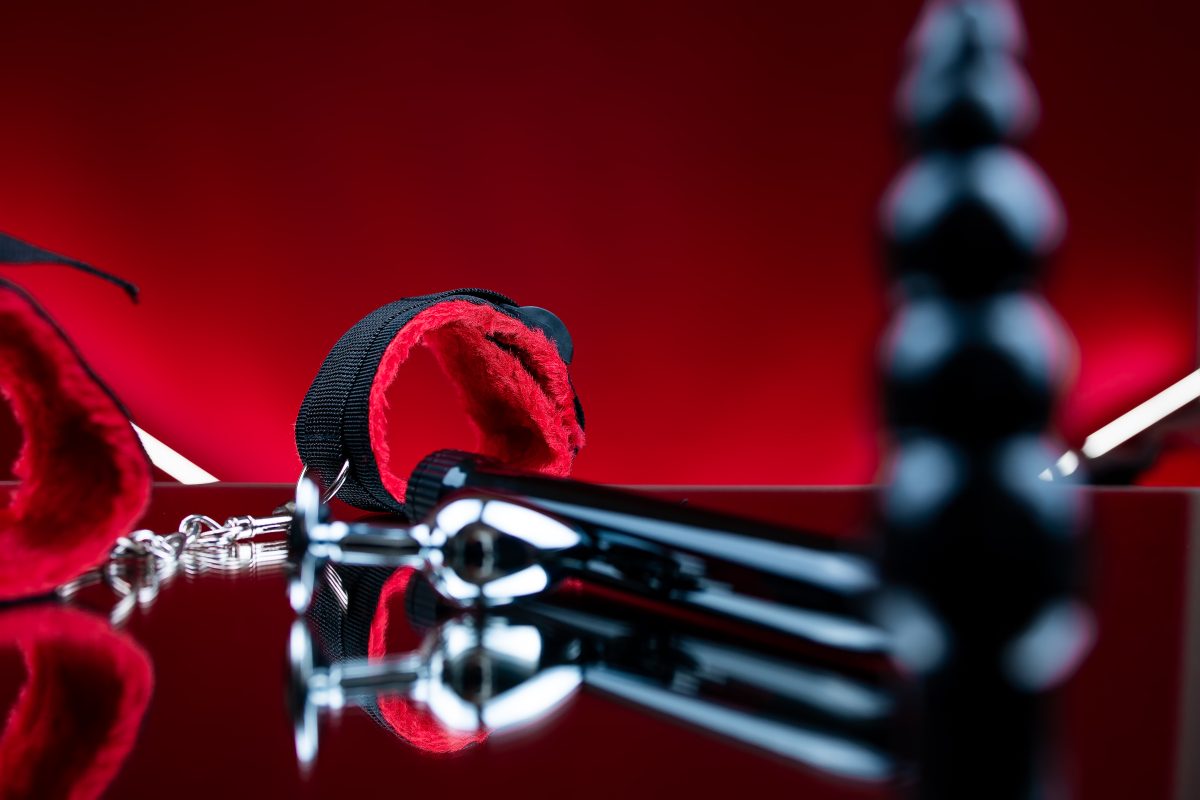
How to Use Restraints and Cuffs Safely
Learning how to use handcuffs safely is one of the most valuable skills in BDSM. Restraints are wonderfully exciting because they hand control from one partner to another, but that very power means they need to be used with care. In this guide we cover choosing the right restraints, applying them correctly, protecting your partner’s nerves and finishing every session with proper aftercare.
There is no one right way to restrain a partner, but there are definitely wrong ways, and nearly all of them involve going too tight, too fast or unattended. The good news is that the correct techniques are easy to learn, and once you know them you can relax into the scene with real confidence.
Choosing the Right Restraints
Your choice of restraint shapes the whole scene. Soft fabric cuffs and padded straps are ideal for beginners because they spread pressure across a wider area and stay comfortable for longer wear. Metal handcuffs look dramatic but have less give, so they demand extra care and should generally wait until both partners have some experience.
The Bound to Play Heavy Duty Metal Handcuffs are a classic choice for a firm, non-stretchy feel, while the Bound to Play Heavy Duty Furry Handcuffs Pink add soft padding for comfort. For the widest range of options in one place, a starter kit like the Bound to Play Beginner's Bondage Kit lets you try several styles before committing to a favourite.
Whatever you choose, inspect your restraints before each use. Look for worn straps, frayed stitching or rough edges, and replace anything that no longer feels solid. A few seconds of checking saves a lot of worry later, and it shows your partner that you are taking their safety seriously.
How to Apply Cuffs Correctly
Always fasten restraints snugly enough that the cuff cannot slip or twist, but loose enough that two fingers can still slide comfortably underneath. Anything tighter risks restricting circulation, and anything looser can rub or move during the scene. For wrist cuffs, position them so the locking mechanism sits on top, away from the bony edges of the wrist.
Check for pressure points before play begins. The wrist and ankle are full of delicate nerves, and cuffs should never sit directly over a joint or press hard on a single spot. If you are using cuffs attached to each other or to a bed, leave a little movement so the restrained person can shift position, and keep the attachment within easy reach in case you need to free them quickly.
Talk through what is about to happen as you apply each cuff. A steady, reassuring voice makes the experience feel intimate rather than intimidating, and it lets you check in at the very moment control is being exchanged. Ask your partner to flex their fingers a little once each cuff is on, so you can both confirm the fit feels right.
Nerve Safety: What to Watch For
The single most important rule with any restraint is to check in regularly. A well-fitted cuff can still become uncomfortable as a scene progresses, so every few minutes ask how the restrained partner feels. Look out for tingling, numbness, a change in skin colour or swelling in the hands or feet, and loosen or remove the cuff immediately if any of these appear. Make these checks a natural part of the rhythm of play, not a break in the mood.
Never leave a restrained partner alone, and never restrain someone who cannot easily communicate with you. Where possible, avoid positions that put weight directly on the cuffs, and release hands and wrists periodically during longer scenes so circulation can return to normal before you continue.
Set a reminder to loosen and re-tighten cuffs at regular intervals during longer scenes, even if everything feels comfortable. Nerves can be compressed slowly and silently, so proactive checks matter far more than waiting for a problem to appear. If you have any doubt at all, release and restart.
Releasing and Aftercare
Releasing should be as gentle as applying. Remove cuffs slowly, supporting the wrist or ankle as you go, and give the skin a moment to settle. Light massage around the area feels lovely and helps blood flow return to normal. Then move into aftercare, whether that means water, a warm blanket, cuddles or simply talking through what you both enjoyed.
Afterwards, check the skin where the cuffs sat for any redness, marks or swelling that lingers. A little redness is normal, but anything painful or persistent deserves attention. Clean fabric cuffs according to their care label, and store them away from heat and sharp objects so they are ready for next time.
If you are adding cuffs to a wider scene, pairing restraint with impact play or nipple clamps can be amazing, but introduce one new element at a time so you can read how your partner responds. If the scene continues after the cuffs come off, allow the wrists and ankles to rest before adding any new restraint, and alternate positions to keep pressure off the same points. For guidance on keeping all your gear clean between sessions, see our toy hygiene guide.
Frequently Asked Questions
How tight should handcuffs be?
Snug but never tight. You should be able to fit two fingers between the cuff and the skin. If there is any numbness, tingling or colour change, loosen or remove the cuff at once.
Are metal handcuffs safe?
Metal handcuffs can be used safely, but they are less forgiving than padded cuffs. Start with soft restraints, build experience, and always use metal with a trusted partner and regular checks.
How long can someone stay restrained?
Keep sessions short, especially when learning. Release hands and wrists periodically, and never leave a restrained partner unattended at any point.
Restrain Yourself Safely
Ready to try it? Explore our restraints and cuffs range, from plush starter cuffs to classic metal sets. All orders ship discreetly across the UK, and every piece is chosen with safety and comfort in mind.