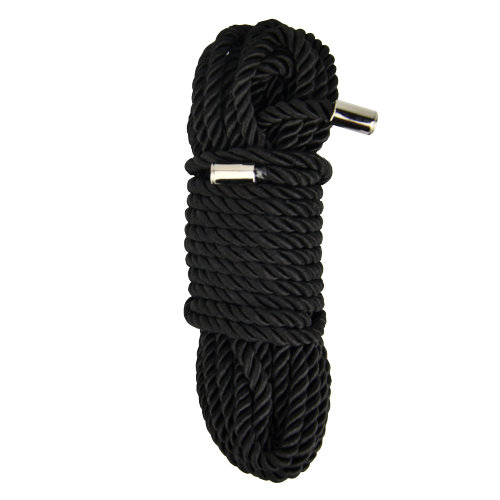
Rope is the most adaptable piece of kit in bondage. It packs down small, adjusts to any position, and can hold a wrist, tie an ankle, or simply decorate a scene. It is also the piece most likely to be used carelessly, so this guide covers what to buy, one tie to learn first, and the rules that keep it safe.
Which rope should you start with
We stock three ropes, and the differences come down to feel and grip.
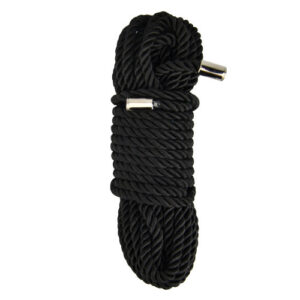
The Bound to Please Silky Bondage Rope 10m Black is the softest of the three. It is a twine-twisted rope with no stretch, which means the loops you tie stay the size you tied them, and it stays gentle on skin. The ten metre length is generous enough for wrist and ankle ties.
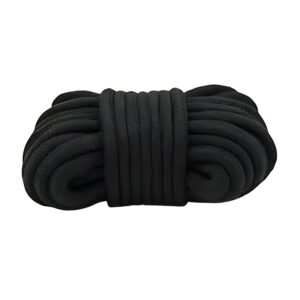
The Bound to Please Bondage Rope Black is a sturdy, durable option that the product page describes as soft enough for beginners and good for practising shibari and knot tying.
The Bound to Please Bondage Rope Hemp is the traditional choice. Hemp has more grip than the other two, so knots hold firm and the rope resists slipping, but it also feels rougher against skin. Choose it if you want knots that stay where you put them.
Rope or bondage tape?
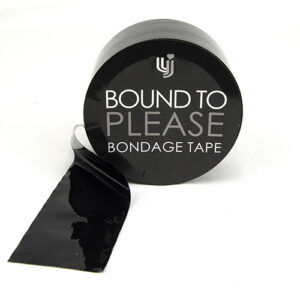
If tying knots feels like too much for a first session, Bound to Please Bondage Tape is the shortcut. It sticks to itself and nothing else, so it never sticks to skin or hair, and it unwraps in seconds. It will not teach you knots, but it is the quickest way to restrain a wrist.
The safety rules that matter most
Four rules carry most of the risk.
Never put rope around a neck. Not loosely, not briefly. A wrist or ankle is easy to release in a hurry; a neck is not.
Never suspend anyone from rope. Suspension is a specialist skill with real injury risk, and it is not a beginner activity, whatever the videos suggest.
Never tie rope to something that cannot be released instantly. If you want anchor points, use gear built for it: Loving Joy Door Jam Cuffs use a block in a doorway, and the Loving Joy Under the Mattress Restraint System gives four cuffs that hold without a single knot.
Keep safety scissors within reach for the whole session, and check circulation every few minutes. Tingling, numbness, cold skin, or any change in colour means release immediately. Agree your safe words before you start, as our guide to safe words explains, and never leave a tied person alone, even briefly. Our bondage safety and aftercare guide has the full checklist.
Your first tie
The single column tie is the one to learn first: one loop around one wrist or ankle.
Wrap the rope around the limb two or three times, keeping the loops flat and side by side rather than crossed, and leaving room for two fingers underneath. Tie the ends with a simple knot you can pull open in one movement, never a knot that tightens under load.
Practise on your own ankle first, so you know how it feels and how fast you can undo it. Then try a partner's wrist, with them sitting up and able to speak easily. Once that feels natural, the double column tie, both wrists together, is the next step. Keep your first sessions short.
Cuffs are not cheating
Many people find they prefer cuffs to rope, and there is no prize for starting with the hardest option. The Loving Joy Beginners Wrist Restraints close with velcro straps that open in one pull: a gentle first restraint. The Bound to Please Furry Plush Wrist Cuffs are softer and lighter again.
If leather is more your style, the BOUND Leather Wrist Restraints are padded and sturdy, and the matching BOUND Leather Ankle Restraints complete the set. Our guide to using restraints and cuffs safely covers the same checks for cuffs that this guide covers for rope.
Pairing rope with other pieces
Rope works well with the rest of the kit. A BOUND Nubuck Leather Blindfold adds a sensory layer while the rope does the physical work, and our guide to blindfolds and sensory deprivation explains how to introduce that slowly.
If you would rather buy a set than assemble one, the Bound to Play Beginner's Bondage Kit includes rope alongside cuffs, a collar, a blindfold and more. Our guide to bondage kits for beginners compares what the sets contain.
Looking after your rope
Check your rope before every session. Frayed strands, flat spots, or stiff sections mean it is time to replace it: a damaged rope can fail mid-tie. Store it coiled, dry, and out of direct sunlight.
If all of this is new to you, our BDSM for beginners guide covers the wider picture, and orders arrive in plain packaging with nothing on the outside to give the contents away, as explained on our discreet packaging and billing page.
The last word
Rope rewards patience. Start with one soft rope and one simple tie, learn your own release knots before you use them on anyone else, and add skills slowly. Everything linked in this guide is in stock now, and the range updates as pieces sell.